
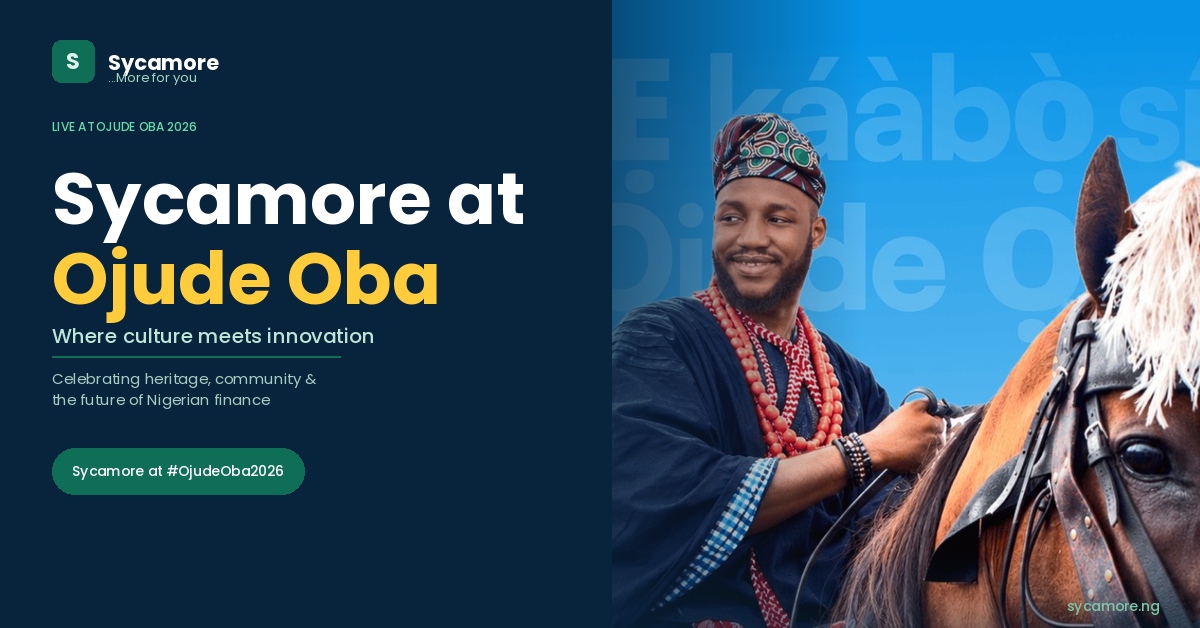

Every year in Ijebu-Ode, something extraordinary happens. Thousands of people dress in their finest, ride their most magnificent horses, and walk to their king not because they have to, but because they choose to. This is Ojude Oba.
The day that started with gratitude
To understand Ojude Oba, you have to go back to its beginning not to a government decree or a tourism initiative, but to a simple, human act of gratitude.
In the 19th century, the Awujale of Ijebuland did something that mattered enormously to his Muslim subjects: he granted them the freedom to practise their faith without fear. When Eid el-Kabir arrived and the celebrations drew to a close, Chief Balogun Kuku led a gathering of Muslim faithful back to the palace to pay homage. It was their way of saying: we see you, we are grateful, we belong here.
That gathering became a tradition. That tradition became a festival. And that festival Ojude Oba, meaning “the King’s Forecourt” in Yorùbá has grown into one of the most spectacular cultural events on the African continent, held annually on the third day after Eid el-Kabir in Ijebu-Ode, Ogun State.
“What began as a modest act of homage has, across generations, become a global declaration of who the Ijebu people are and what they are proud of.”
The Regberegbe: unity you can see
The heartbeat of Ojude Oba is the Regberegbe age-grade social groups made up of people born within the same generational bracket who have grown up together, celebrated together, and now march together. In 2026, over 90 such groups parade through the festival grounds in perfectly coordinated Aso-Oke, lace, brocade, and ankara every member dressed identically, dripping in coral beads, elaborate headgear, and gold.
This is not fashion for fashion’s sake. The coordinated dress is a statement: we are one. We invested together to look like this. We chose each other. In a world that constantly fragments communities, the Regberegbe is a radical act of collective identity.
Women’s Regberegbe cohorts take their place at the Awujale Pavilion with equal grace and grandeur. Children’s groups parade with the same fierce pride as their elders. The festival is intergenerational by designing a way of handing the thread of identity from one generation to the next.
The horsemen and the homage
If the Regberegbe is the festival’s heartbeat, the Balogun family horsemen are its thunder. Mounted on ornately dressed horses, riders from the distinguished warrior families of Ijebuland process before the king in ceremonial splendour a tradition that connects modern Ijebu-Ode directly to its ancient warrior past.
The homage to the Awujale remains the centrepiece of the entire occasion. Every group, every family, every age grade ultimately moves toward the palace to see and be seen by the king, to affirm the covenant between ruler and people that has held Ijebuland together for centuries.
2026: honouring a reign that changed everything
This year’s Ojude Oba carries a particular weight. Themed Celebrating the Legacy of Oba Sikiru Kayode Adetona, the 2026 edition is a tribute to the longest-reigning Awujale in the history of Ijebuland a monarch whose vision transformed a local tradition into an internationally recognised cultural event and who repositioned Ijebuland on the global map.
Despite his passing, the Organising Committee was clear: the festival continues. “This year, over ninety age-grade groups and twenty-five warrior families will participate,” said Committee Chairman Chief Olu Okuboyejo. The festival is not diminished by loss. It is, if anything, more powerful a living monument to a king who made it great.
“Ojude Oba is no longer simply a cultural festival. It has become a powerful expression of how African culture continues to evolve without losing its roots.”
Why the world is watching
Ojude Oba has quietly become one of the most-documented cultural events in West Africa. Fashion photographers, documentary filmmakers, diaspora Nigerians returning home, and cultural tourists from around the world now make the annual pilgrimage to the Itoro Centre in Ijebu-Ode. Traditional attire at the festival has become a global reference point for designers integrating Ijebu aesthetic codes with contemporary global sensibilities, turning Ojude Oba into a legitimate runway.
Younger generations are driving a new wave of engagement with the festival not as nostalgia, but as identity. For many Nigerians at home and in the diaspora, showing up at Ojude Oba is an act of cultural reclamation: a deliberate choice to say that where we come from is something to celebrate, not set aside.
Every civilisation that has shaped the world built its future on the foundation of what it already knew. For the Ijebu people, that foundation is Ojude Oba’s centuries of trust, community, and cultural intelligence, refined year after year into something the world now travels to see.
Sycamore: where Nigerian culture meets the future of finance
We think about that a lot at Sycamore. Because the future of finance in Nigeria will not be written by those who ignore this foundation it will be written by those who build on it.
The same communal instinct that fills the Itoro Centre every year: neighbours saving together, families showing up for one another, a people choosing collective pride over individual isolation is the same instinct that great financial systems are made of. It always has been. Nigeria has always known this. Sycamore was built to honour it.
We are an indigenous fintech rooted in the culture, values, and financial rhythms of this country. Not a foreign model retrofitted for a Nigerian audience but something that started here, thinks here, and grows here, alongside the 400,000+ people who make up our community.
Ojude Oba is proof that when people invest in their own culture, it becomes powerful enough to move the world. That is the kind of institution we are building. And we are just getting started.